Binance Under Pressure: $1.7 Billion in Iran Transactions and US Sanctions
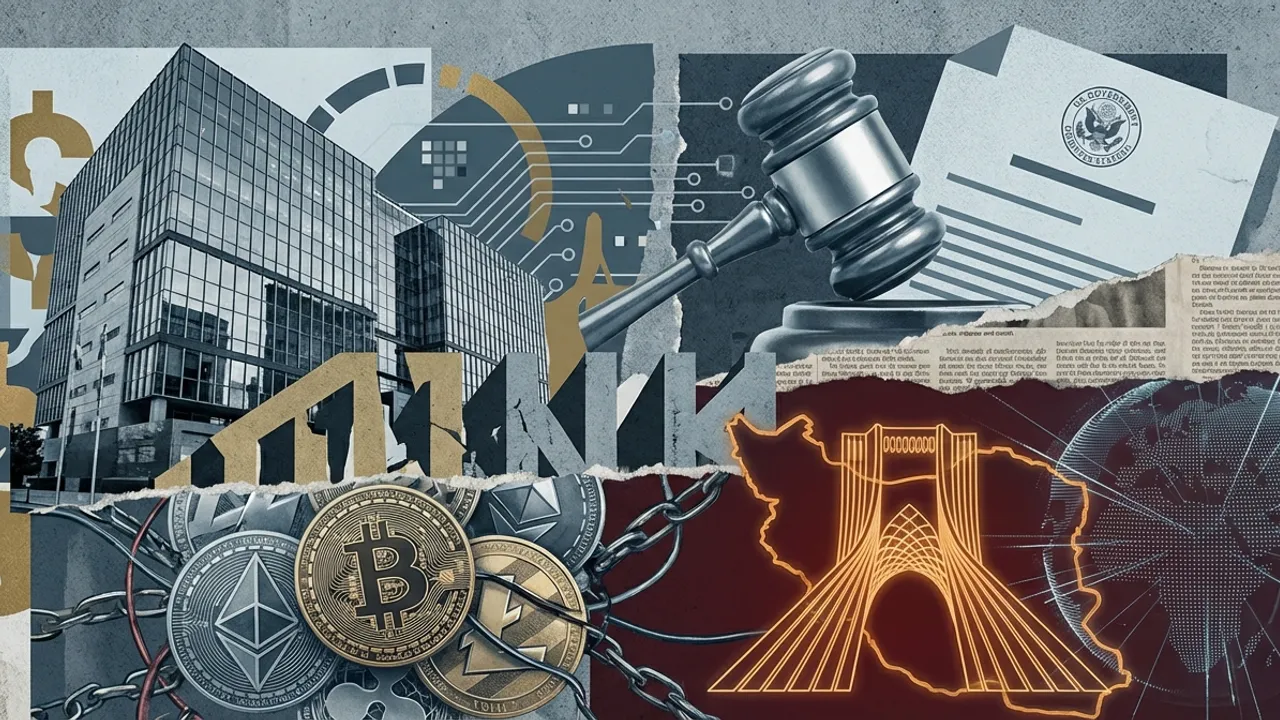
US Senator Blumenthal launches formal investigation into Binance over alleged sanctions violations. Simultaneously, Treasury sanctions against Russian cybercriminals demonstrate intensified regulation of crypto transactions.
Binance Under Pressure: How Sanctions Violations Put the Crypto Industry in the Crosshairs
The world's largest crypto exchange once again finds itself at the center of regulatory investigations, while the US Treasury simultaneously sharpens its sanctions instruments in the crypto sector. What initially appears to be two separate announcements reveals, upon closer examination, a systematic approach by American authorities against sanctions evasion through cryptocurrencies. The latest developments mark a turning point in regulatory enforcement—with far-reaching consequences for the entire industry.
The Facts
Democratic US Senator Richard Blumenthal, a senior member of the Senate Permanent Subcommittee on Investigations, has launched a formal investigation into Binance. In a letter to CEO Richard Teng, he demands comprehensive documentation regarding alleged sanctions violations involving Iran and Russia. At the center are media reports about transactions worth $1.7 billion [1].
The allegations are serious: Binance allegedly "apparently ignored warning signs, knowingly continued to operate impermissible accounts, and even provided direct support to actors involved in money laundering," Blumenthal writes [1]. Internal compliance staff determined in late 2025 that Binance partners Hexa Whale and Blessed Trust were acting as intermediaries for money laundering and trading operations with Iranian government entities. Approximately 2,000 accounts linked to Iranian actors were identified—despite existing US sanctions and official usage restrictions [1].
Particularly explosive: Internal staff warned about transfers to wallets allegedly connected to the Iranian Revolutionary Guards, as well as payments to crew members of the Russian shadow fleet. Employees who raised such concerns were later suspended or dismissed [1]. The subcommittee demands comprehensive documents by March 6, 2026, regarding Iran- and Russia-related accounts, internal investigations, and the suspension of compliance employees.
In parallel, the US Treasury demonstrated this week its hardened approach against sanctions-evading crypto transactions. The agency imposed sanctions on a Russian exploit broker network that purchased and resold stolen US government cyber tools using cryptocurrencies. Affected are Russian citizen Sergey Sergeyevich Zelenyuk and his company Operation Zero, as well as several associated individuals and firms [2].
According to Treasury, Zelenyuk built a business from St. Petersburg that bought and sold "exploits"—tools for exploiting software vulnerabilities. These included at least eight proprietary cyber tools developed exclusively for the US government and select allies by a US defense contractor. These tools were stolen by Peter Williams, an Australian citizen and former employee of the contractor, and sold to Operation Zero between 2022 and 2025 in exchange for millions of dollars in cryptocurrencies [2]. Williams pleaded guilty in October 2025 to two counts of theft of trade secrets.
Treasury Secretary Scott Bessent made clear: "If you steal US trade secrets, we will hold you accountable" [2]. The sanctions were issued under Executive Order 13694 and mark the first application of new authorities under the Protecting American Intellectual Property Act. According to Treasury, Operation Zero offered bounties worth millions in cryptocurrencies for exploits targeting widely used US operating systems and encrypted messaging platforms. The firm did not report discovered vulnerabilities to affected software companies, but instead attempted to sell them to customers in non-NATO countries, including foreign intelligence services [2].
Analysis & Assessment
The simultaneous developments at Binance and the Treasury sanctions are no coincidence. They signal a fundamental tightening of US regulatory strategy toward cryptocurrencies in the context of national security. While the Trump administration publicly strikes crypto-friendly tones—Trump pardoned Binance founder Changpeng Zhao in October 2025 [1]—investigators and senators show little leniency across party lines when it comes to sanctions violations.
For Binance, the new allegations come at a particularly inopportune time. The company had already paid $4.3 billion in fines in 2023 and pleaded guilty to violating US anti-money laundering and sanctions requirements [1]. That agreement was supposed to draw a line under the matter—instead, the current allegations suggest systematic compliance failures extending into the recent past. Particularly problematic: The alleged suspension and dismissal of compliance employees who raised alarms suggests institutional deficiencies that go far beyond individual missteps.
The connection to World Liberty Financial, the Trump family's crypto company, which holds 85 percent of the USD1 stablecoin on Binance [1], lends additional political sensitivity to the investigation. Senator Blumenthal, a Democrat, could also be pursuing domestic political objectives here. Regardless of motives, however, the fundamental questions remain: How can an exchange with global reach effectively enforce sanctions? And what responsibility do platforms bear for their users' transactions?
The Treasury sanctions against the Russian exploit network demonstrate authorities' growing ability to trace and sanction complex crypto transaction chains. Although Treasury did not publish specific wallet addresses [2], the action sends a clear message: The pseudonymity of cryptocurrencies does not protect against prosecution when national security interests are affected. For the industry, this means increased compliance pressure and potentially more restrictive know-your-customer requirements.
Conclusion
• Despite the $4.3 billion settlement from 2023, Binance once again faces massive regulatory pressure—allegations of systematic sanctions violations and suppressed compliance warnings point to institutional deficiencies that could sustainably damage trust in the world's largest exchange
• US authorities are tightening enforcement of sanctions in the crypto sector across party lines, with national security interests taking precedence over crypto-friendly rhetoric—the first application of the Protecting American Intellectual Property Act marks a new escalation level
• The cases demonstrate law enforcement's growing ability to trace complex crypto transaction chains—pseudonymity no longer provides sufficient protection against official prosecution for sanctions violations
• For exchanges and crypto companies, these developments mean significantly increased compliance pressure and potentially more restrictive regulatory requirements—insufficient sanctions screening is increasingly recognized as an existential risk
• Investors should reassess the regulatory risks of their chosen platforms—the political connection between Binance and World Liberty Financial shows how quickly crypto companies can become embroiled in geopolitical conflicts
Sources
AI-Assisted Content
This article was created with AI assistance. All facts are sourced from verified news outlets.