Quantum Resistance and Privacy: The Next Evolution of Blockchain Security
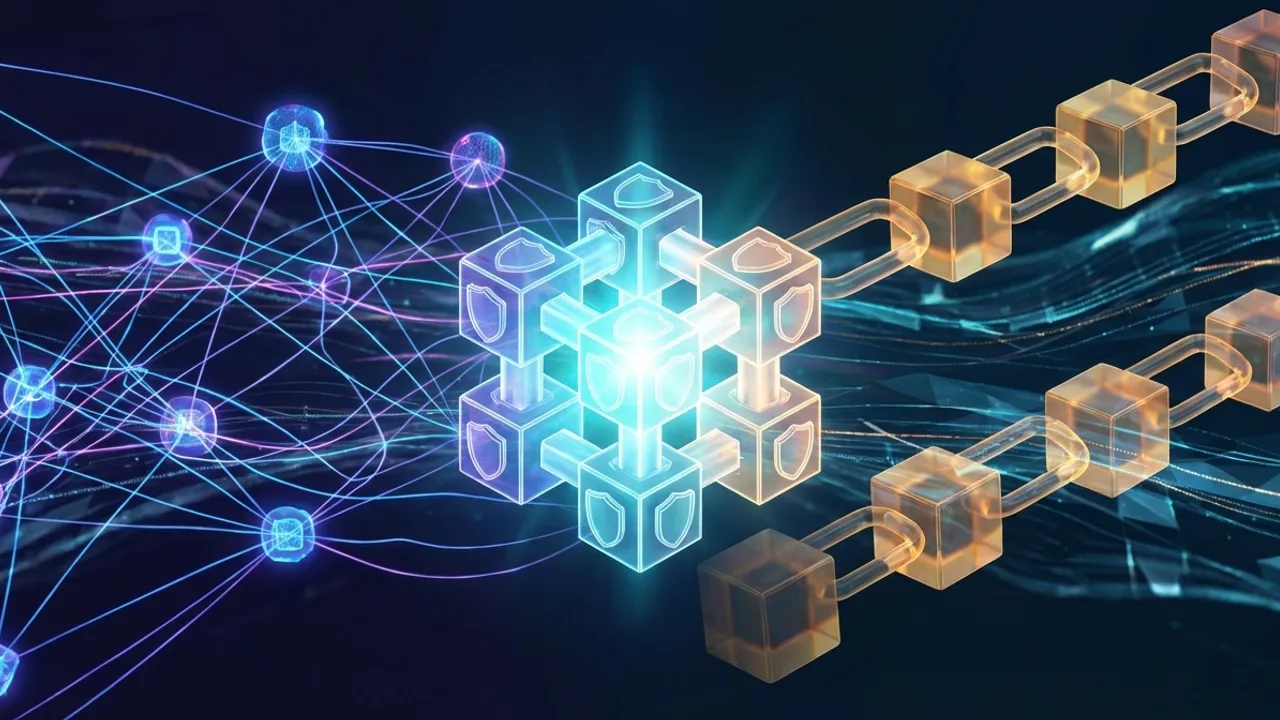
While quantum-resistant cryptocurrencies like Cardano, Solana, and Polkadot prepare for the threat of quantum computers, Midnight is setting new standards in privacy and regulatory compliance in Web3.
The Dual Challenge of Blockchain Technology
The blockchain industry faces two fundamental security challenges: the looming threat of quantum computers and the growing need for genuine privacy while maintaining regulatory compliance. Both topics are increasingly becoming the focus of developers and investors.
The "Q-Day": When Quantum Computers Become a Threat
Quantum computers are based on quantum mechanics and are significantly superior to conventional computers in certain tasks [1]. The prospect is unsettling: powerful quantum computers could break common encryption methods in minutes, making much of today's crypto market vulnerable [1].
The problem lies in how current cryptocurrencies function. They are based on algorithms that quantum computers can solve substantially faster than classical computers [1]. This threat has led to the development of so-called quantum-resistant cryptocurrencies, which rely on post-quantum cryptography.
Which Coins Are Already Prepared?
Projects considered quantum-resistant include Cardano, Solana, and Polkadot [1]. These blockchains already work with quantum-safe signatures today or have corresponding upgrades anchored in their roadmaps. Quantum-resistant cryptocurrencies are important because they can ensure security when supercomputers could attack most conventional cryptocurrencies [1].
Midnight: Privacy as a Complementary Security Layer
Parallel to quantum resistance, another dimension of blockchain security is developing: privacy technologies. With Midnight, the Cardano ecosystem presents a privacy chain that aims to redefine how privacy is handled in Web3 [2].
The platform combines private smart contract execution with Cardano security and a high-speed ZK cloud [2]. Modern zero-knowledge proofs are, for the first time, fast enough for private smart contracts [2]. Midnight combines technologies from Zcash, Polkadot, Aptos, and Cardano into an integrated privacy network [2].
Record-Breaking Airdrop and Fair Distribution
The recently concluded Scavenger Mining reached unprecedented dimensions. As Cardano founder Charles Hoskinson explained at the Midnight Summit, the community achieved cumulative computing power within 21 days that corresponds to Bitcoin's first two and a half years [2]. Millions of participants from eight ecosystems made the "Glacier Drop" the largest airdrop of all time—without VC involvement, without presale, without token offerings, but with a fair, almost "satoshi-like" distribution [2].
Selective Disclosure: Privacy with Compliance
A special feature of Midnight is the concept of "selective disclosure"—the ability to selectively disclose information. This function closes an important regulatory compliance gap [2] and could pave the way for institutional adoption.
Midnight is not just another privacy chain, but a modular architecture that unites technologies from more than 20 blockchain ecosystems [2]. With exclusive insights from CTO Sebastien Guillemot and an ambitious roadmap, Midnight could become the standard for privacy in Web3 by 2026 [2].
Conclusion: Investment in the Future of Blockchain Security
The combination of quantum resistance and advanced privacy technologies defines the next generation of blockchain security. While quantum-resistant projects aim to protect against the threat of supercomputers [1], privacy solutions like Midnight address growing requirements for data protection and compliance. Both developments could be of interest to investors before the market fully prices in these technologies.
Sources
- [1]btc-echo.de
- [2]btc-echo.de
AI-Assisted Content
This article was created with AI assistance. All facts are sourced from verified news outlets.